Micro-interactions in Websites
Enhancing User Experience Through Small Details
Enhanced Engagement
Micro-interactions keep users engaged and provide immediate feedback, making the experience more intuitive and enjoyable.
Better Usability
Small animations and transitions help users understand how to interact with your interface more effectively.
Increased Retention
Thoughtful micro-interactions create memorable experiences that keep users coming back to your website.
Understanding Microinteractions in Web Design
Microinteractions are the unsung heroes of user experience (UX) design. They are those tiny, often overlooked, moments in an interface that provide immediate feedback, guide users, and ultimately make digital products feel more intuitive, human, and delightful. While seemingly small, their impact on user satisfaction and engagement is immense.
The Magic in the Details
In the vast landscape of web design, it's often the grand gestures that capture attention – stunning visuals, seamless navigation, and powerful features. Yet, the true masters of user experience understand that profound impact often lies in the most subtle of details: microinteractions.
What Exactly Are Microinteractions?
Coined by UX expert Dan Saffer, a microinteraction is a "contained product moment that revolves around a single use case or task – a tiny piece of functionality that only does one thing." Think of them as the digital equivalent of a friendly wink or a subtle nod.
They answer questions like:
- "Did my click register?"
- "Is my data being sent?"
- "What do I do next?"
- "Has this action been successful?"
The Four Core Elements
1. Trigger
What initiates the microinteraction - user actions or system events.
2. Rules
Define what happens once the trigger occurs.
3. Feedback
The visible or audible response informing the user.
4. Loops & Modes
How the interaction changes over time or in different contexts.
Common Examples of Effective Microinteractions
Social Interactions
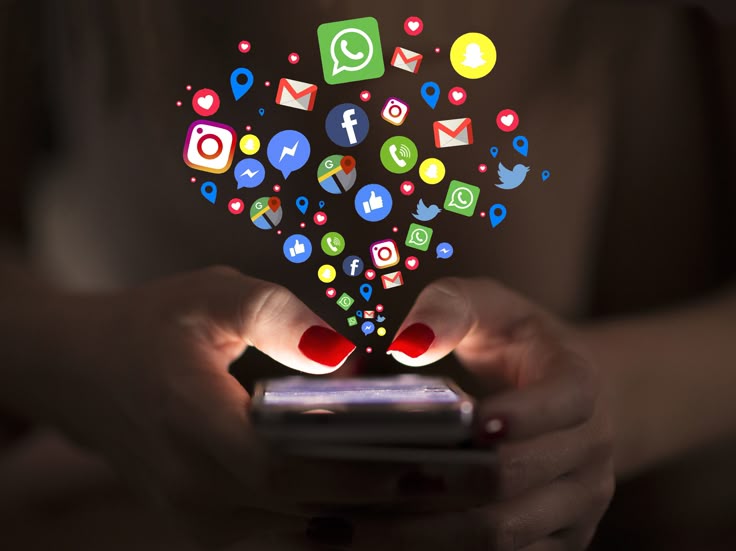
Like buttons, heart animations, thumb reactions
Form Feedback
Validation indicators, password strength meters
System Status
Loading spinners, progress bars, typing indicators
Best Practices
-
✓
Keep it simple and subtle - don't overcomplicate the interaction
-
✓
Provide immediate feedback to user actions
-
✓
Maintain consistency across your website
-
✓
Ensure accessibility for all users
Start looking for these little design gems on your favorite websites and apps, and then consider how you can strategically implement them to elevate your own digital creations. The magic, after all, is often in the details.
The Language of Design and Branding
Creating Memorable Brand Experiences
Brand Recognition
Strong branding creates instant recognition and builds trust with your target audience.
Emotional Connection
Effective branding establishes emotional bonds with customers through meaningful design elements.
Market Differentiation
Unique branding helps your business stand out in a crowded marketplace.
🎨 What Is Branding in Graphic Design?
Branding is the visual voice of a business. In graphic design, it’s about crafting a cohesive identity that communicates a brand’s personality, values, and promise. It goes beyond logos—it's the color palette, typography, imagery, layout, and even the emotional tone. Think of it as the soul of a business made visible, creating an instant connection and leaving a lasting impression on its audience.
🔑 Key Elements of Branding Through Design
- Logo Design: The face of the brand—memorable, scalable, and meaningful. A great logo isn't just an image; it's a shorthand for everything your brand stands for, designed to be instantly recognizable and versatile across all mediums.
- Color Psychology: Colors evoke emotion (e.g., blue = trust, red = energy). Strategic use of color can influence perception, evoke specific feelings, and create a strong emotional bond with the audience.
- Typography: Fonts speak volumes—serif for tradition, sans-serif for modernity. The choice of typeface communicates personality and readability, shaping how your brand's message is perceived.
- Visual Consistency: Across social media, websites, packaging, and ads. Maintaining a uniform look and feel across all touchpoints reinforces brand recognition and builds trust and familiarity with your audience.
- Brand Storytelling: Design that narrates the brand’s journey and values. Through carefully chosen visuals, a brand can convey its origin, mission, and impact, making it more relatable and engaging to consumers.
💡 Catchy Angles for Your Article
Here are some engaging themes and hooks you can explore:
🔥 “Design Is the Silent Ambassador of Your Brand”
- Talk about how every pixel speaks before a word is read. Discuss how graphic design communicates messages, values, and professionalism without uttering a single word.
- Use examples of brands that nailed their identity through visuals, such as Nike's iconic swoosh or Apple's minimalist design, showcasing how their visual language effectively communicates their core message and ethos.
🎯 “From Meh to Memorable: How Design Turns Brands Into Icons”
- Share tips on transforming bland visuals into bold statements. Provide actionable advice on how to revamp a brand's visual identity, focusing on clarity, uniqueness, and impact.
- Include before-and-after design case studies. Showcase examples like Starbucks' evolution from a complex logo to its streamlined mermaid, or the Google logo's simplification over time, to illustrate how thoughtful design changes can lead to greater recognition and memorability.
🧠 “Why Your Brand Needs a Personality—and a Wardrobe to Match”
- Compare branding to dressing up a character: style, tone, attitude. Explain how a brand's visual identity is akin to a character's attire, reflecting its unique persona and influencing how it's perceived by the world.
- Dive into archetypes (e.g., The Rebel, The Sage, The Creator) and how design reflects them. Discuss how brands like Harley-Davidson (The Rebel), Google (The Sage), or Lego (The Creator) use specific design elements—colors, fonts, imagery—to visually embody their chosen archetype.
📱 “Designing for Scroll-Stopping Impact”
- Explore how branding adapts to digital platforms—especially mobile. Discuss the unique challenges and opportunities of designing for small screens and short attention spans, emphasizing the need for clarity and instant recognition.
- Mention micro-interactions, subtle animations, and responsive layouts. Highlight how elements like hover effects, loading animations, and designs that seamlessly adjust to different screen sizes enhance user experience and reinforce brand identity in the digital realm.
🌍 “Branding That Speaks Globally, Feels Locally”
- Talk about cultural nuances in design and how to stay authentic yet universal. Discuss the importance of research and understanding local customs, symbols, and color meanings to avoid misinterpretations while maintaining a consistent global brand identity. Highlight brands that have successfully navigated this balance, such as Coca-Cola's localized advertising campaigns or McDonald's menu adaptations in different countries, while retaining their core visual brand.
✨ Bonus: Tagline Ideas to Sprinkle In
- “Design that defines.”
- “Your brand, visualized.”
- “Identity isn’t what you say—it’s what they see.”
- “Make your mark with meaning.”